
 Charita Runyan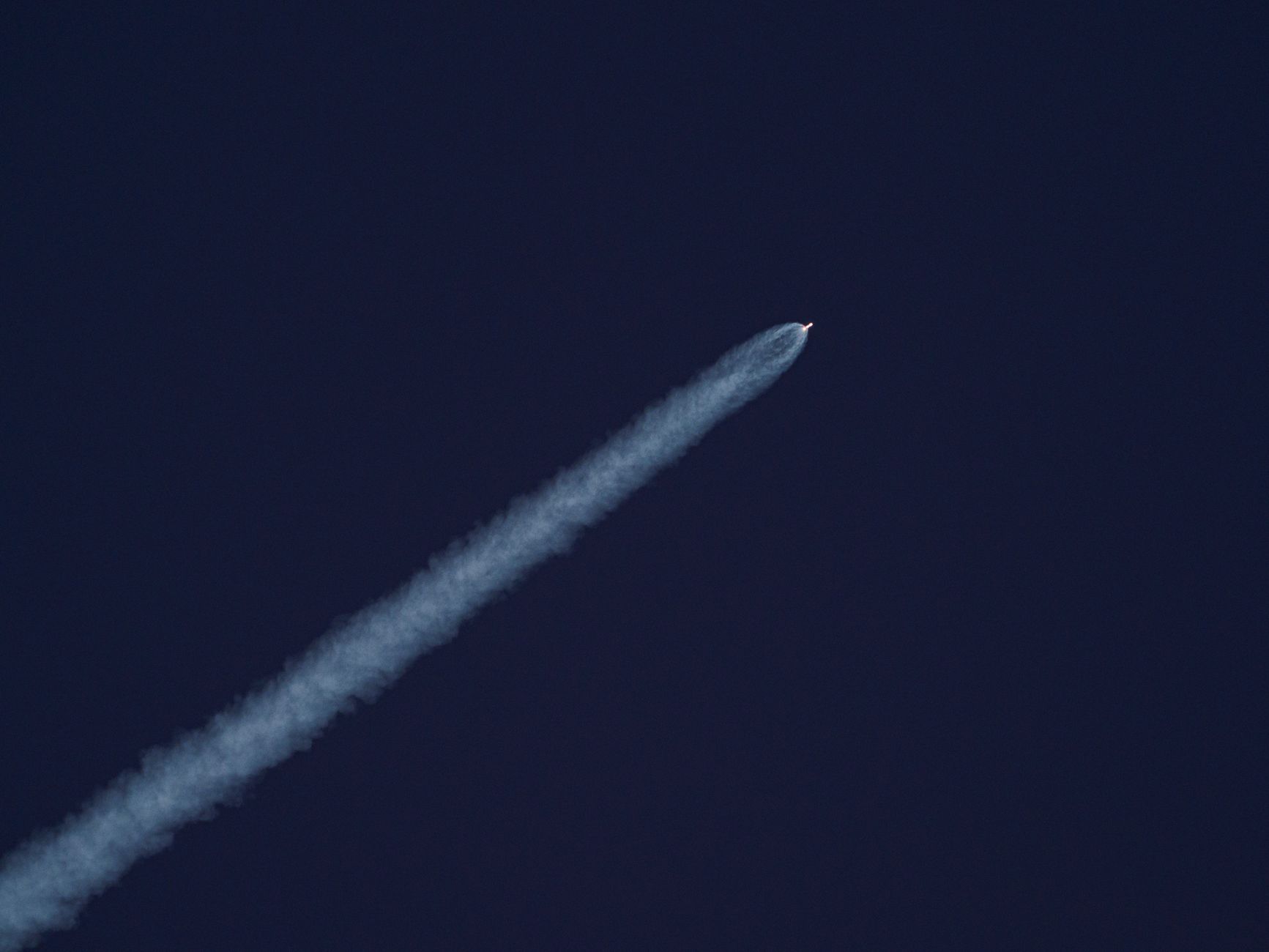
The GSLV-F17 launch has been hailed as a remarkable success in India’s space program. This recent accomplishment showcases India’s growing capabilities in satellite technology.
Overview of GSLV-F17 Launch
The recent GSLV-F17 launch has captured the attention of both the scientific community and the general public in India. This mission, which successfully deployed the Earth Observation Satellite EOS-05, marks a significant achievement for the Indian Space Research Organisation (ISRO).
Defense Minister Rajnath Singh praised the successful launch, stating that it showcases India’s growing capabilities in space technology. The GSLV-F17, equipped with advanced payloads, is designed to enhance the country’s ability to monitor environmental changes, manage natural disasters, and support agricultural planning.
The launch not only demonstrates India’s technological advancements but also strengthens its position in the global space race. Many experts believe that the GSLV-F17 launch represents a critical step towards achieving self-reliance in satellite deployment.
Key highlights of the launch include:
- Successful lift-off from the Satish Dhawan Space Centre.
- Deployment of EOS-05 into its intended orbit.
- Significant advancements in launch vehicle technology.
Overall, the GSLV-F17 launch is seen as a pivotal moment in India’s space journey, promising a brighter future for its space exploration initiatives.
Significance of EOS-05
The launch of the GSLV-F17, which successfully delivered the EOS-05 satellite into orbit, holds immense significance for India’s space endeavors. This satellite is designed to enhance the country’s capabilities in various domains, particularly in meteorology and environmental monitoring.
EOS-05 is expected to provide critical data for:
- Weather forecasting: Improved accuracy in predicting weather patterns, which can help mitigate natural disasters.
- Agricultural monitoring: Offering insights into crop health and soil moisture, which are essential for optimizing agricultural practices.
- Disaster management: Facilitating timely responses to emergencies by providing real-time data on environmental changes.
Furthermore, the successful launch of GSLV-F17 signifies India’s growing expertise in launching complex satellite missions, enhancing its position in the global space arena. Analysts believe that this mission not only demonstrates technological advancement but also reinforces India’s commitment to harnessing space for the benefit of its citizens. As the country continues to develop its capabilities, the implications of EOS-05 may extend far beyond immediate applications, paving the way for future innovations in space technology.
Rajnath Singh’s Statement
In response to the successful GSLV-F17 launch, Defense Minister Rajnath Singh expressed his enthusiasm, emphasizing the achievement as a significant milestone for India’s space endeavors. He stated that the launch of the GSLV-F17 carrying the EOS-05 satellite not only demonstrates the country’s growing capabilities in space technology but also enhances India’s stature on the global stage.
Singh remarked, “This successful launch is a testament to the hard work and dedication of our scientists and engineers. It exemplifies India’s commitment to advancing its space program and utilizing space technology for the benefit of society.”
He further highlighted the importance of the EOS-05 satellite, which is expected to bolster various sectors, including agriculture, forestry, and disaster management. The Minister stated, “With the successful deployment of EOS-05, we are better equipped to address challenges related to climate change and resource management.”
Singh concluded by urging continued innovation and collaboration within the Indian space sector, reinforcing that the GSLV-F17 launch marks just the beginning of a promising journey toward more groundbreaking achievements.
Technical Details of the Launch
The recent GSLV-F17 launch marks a significant achievement in India’s space endeavors, showcasing advanced technology and engineering expertise. The launch vehicle, equipped with a robust configuration, successfully placed the EOS-05 satellite into its intended orbit.
Key technical details of the GSLV-F17 launch include:
- Launch Vehicle: The GSLV-F17 is a geosynchronous satellite launch vehicle designed to carry heavier payloads.
- Payload Capacity: With an impressive payload capacity of approximately 2,500 kg, it is capable of deploying various satellites into geostationary transfer orbits.
- Launch Date and Time: The launch occurred on October 7, 2023, at 10:30 AM IST from the Satish Dhawan Space Centre.
- Satellite Details: EOS-05 is equipped with advanced imaging capabilities aimed at enhancing weather forecasting and disaster management.
- Performance Highlights: The rocket’s flight trajectory was monitored meticulously, demonstrating precise control and stability throughout the launch phase.
The successful GSLV-F17 launch not only emphasizes India’s growing capabilities in space technology but also paves the way for future missions aimed at further exploration and application of satellite technology.
Future Implications for ISRO
The successful GSLV-F17 launch has significant implications for the Indian Space Research Organisation (ISRO) and its future endeavors. With the successful deployment of the EOS-05 satellite, ISRO is poised to enhance its capabilities in Earth observation, which is critical for various applications including agriculture, urban planning, and disaster management.
As India strives to establish itself as a global leader in space technology, the GSLV-F17 launch serves as a testament to ISRO’s growing technical prowess. The advancements demonstrated in this mission may pave the way for future projects, particularly in launching heavier payloads and more complex satellite systems.
Moreover, the success of GSLV-F17 encourages international collaboration and partnerships. Countries around the world may be more inclined to work with ISRO for satellite launches and space research, given its proven track record.
In addition to bolstering India’s position in the global space arena, the GSLV-F17 launch underscores the importance of sustained investment in research and development. ISRO’s commitment to innovation could lead to breakthroughs that benefit not only India but also the global community.
Comparative Analysis with Previous Launches
The recent GSLV-F17 launch has sparked discussions regarding its success compared to previous missions. Notably, the GSLV series has a history of both triumphs and challenges, making this launch a significant milestone for the Indian Space Research Organisation (ISRO).
In a comparative analysis with earlier launches, several factors stand out:
- Launch Success Rate: GSLV-F17 marks a crucial improvement in the overall success rate of the GSLV program, which has faced setbacks in the past.
- Payload Capacity: The GSLV-F17 has demonstrated enhanced payload capability, allowing for more advanced satellite missions, including the EOS-05.
- Technological Advancements: Innovations in propulsion systems and telemetry have played a vital role in the successful execution of this launch, setting new benchmarks for future missions.
- International Collaboration: The GSLV-F17 launch has also seen increased international partnerships, further solidifying India’s position in the global space arena.
While the GSLV-F17 launch is being hailed as one of ISRO’s best successes, it is essential to consider its impact on future endeavors, particularly in enhancing India’s capabilities in satellite technology and space exploration.
Public Reaction to the Launch
The recent GSLV-F17 launch has sparked a wave of enthusiasm among the public, with many expressing pride in India’s advancing space capabilities. Social media platforms were flooded with congratulatory messages, highlighting the significance of the launch and its implications for the country’s position in the global space arena.
One prominent sentiment shared by netizens was the excitement over the successful deployment of the EOS-05 satellite. Many users noted:
- “A remarkable achievement for ISRO, the GSLV-F17 launch showcases India’s growing technological prowess.”
- “Every successful launch strengthens our confidence in domestic technologies.”
- “This launch puts us on the map as a reliable space-faring nation.”
Experts and enthusiasts alike praised the mission’s success, with some considering the GSLV-F17 launch as a pivotal moment for ISRO’s future endeavors. Public forums and discussions have also highlighted the need for continued support and investment in space research and exploration. As India ventures further into space technology, the public’s optimistic response is a clear indication of a nation rallying behind its achievements.
Next Steps for India’s Space Missions
Following the successful GSLV-F17 launch, India’s space agency ISRO is poised to continue its ambitious trajectory in space exploration and satellite deployment. The successful launch not only enhances India’s capabilities but also sets the stage for various upcoming missions.
Key next steps for India’s space missions include:
- Launch of Communication Satellites: The upcoming GSLV missions will focus on deploying advanced communication satellites to improve connectivity across the nation.
- Interplanetary Missions: Following the success of the GSLV-F17 launch, ISRO is planning future interplanetary missions, including potential missions to Mars and Venus.
- International Collaborations: ISRO aims to strengthen partnerships with other space agencies to enhance technology sharing and collaboration on joint missions.
- Development of New Launch Vehicles: The space agency is also investing in the development of next-generation launch vehicles to increase payload capacity and reduce costs.
As ISRO builds on the momentum from the GSLV-F17 launch, the future looks promising for India’s aspirations in space exploration and satellite technology.
Photo by Dirk Schuneman on Pexels


